
HMU International Relations Office
Living in Crete
How to reach Crete and settle in near your HMU campus, whether you are heading to Heraklion, Chania, Rethymno, Agios Nikolaos or Sitia.
Getting to Crete
By air
Crete has two international airports: Heraklion "Nikos Kazantzakis" (HER) serving the centre and east, and Chania "Ioannis Daskalogiannis" (CHQ) serving the west, about 145 km away. Both have direct European flights from April to October.
Out of season, connect through Athens (ATH), about 50 minutes to Heraklion. Greek carriers Aegean and Sky Express run frequent domestic flights.
By sea
Overnight ferries link Piraeus (the port of Athens) with the ports of Heraklion and Souda (Chania), roughly 8 to 9 hours, run mainly by Minoan Lines and ANEK Lines. Blue Star Ferries connects Piraeus with eastern Crete (Heraklion and Sitia) on its Dodecanese line.
In summer you can also reach Crete from the Cyclades: high-speed services by Seajets and Blue Star link Santorini with Heraklion.
Five campuses, one island
HMU has campuses in five cities across Crete. Click a marker to see which departments are there.
Your campus city
Heraklion
The island’s largest city and HMU’s main campus at Estavromenos. A compact, walkable centre with the widest range of student services, shops and nightlife.
Nikos Kazantzakis Airport (HER) about 5 km from the centre; Heraklion port for ferries from Piraeus. The hub of the island’s KTEL bus network.
Walkable centre; city buses €1.20–€2.00 (day ticket €5); taxis and airport transfers widely available.
The broadest choice: student residences, shared flats, hotels and short-term rentals. Demand peaks in autumn, so book early.
Chania
A picturesque town in western Crete, famous for its Venetian harbour and old town. About 145 km west of Heraklion.
Ioannis Daskalogiannis Airport (CHQ) about 14 km away; Souda port for ferries from Piraeus. KTEL from Heraklion about 2.5–3 h (around €17.60).
Walkable centre; local city buses and taxis.
Rooms and flats in the centre and the Halepa district near campus; reserve early in the summer season.
Rethymno
A lively university town between Heraklion and Chania, with a well-preserved Venetian old town and a long sandy beach.
Nearest airports are Chania (about 60 km) and Heraklion (about 80 km); small local port. KTEL from Heraklion about 1.5 h (around €9.90).
Compact and walkable; city buses and taxis.
A student-friendly town with plenty of shared flats and studios; easiest to find outside peak summer.
Agios Nikolaos
An elegant seaside town in eastern Crete, built around the picturesque Lake Voulismeni. About 65 km east of Heraklion.
Nearest airport is Heraklion (HER) about 65 km away; KTEL from Heraklion about 1 h (around €8.60).
Walkable centre; taxis and local buses.
Apartments and studios around the town and marina; strong seasonal demand, so arrange early.
Sitia
A quiet, authentic coastal town at the eastern end of Crete, with a relaxed pace and a sandy town beach. About 140 km from Heraklion.
Small Sitia Airport (JSH) with domestic flights, plus a port served by Blue Star Ferries; or KTEL from Heraklion about 3 h. Heraklion airport is the main international gateway.
Small and walkable; taxis available.
Limited but affordable options; arrange in advance, especially in summer.
Getting around the island
Crete is easy to explore by public bus, taxi or rental car.
The intercity KTEL network connects all the main towns. Daily frequencies are approximate and highest in summer; they thin out in winter and at weekends.
| Route from Heraklion | Buses / day | Time | Fare |
|---|---|---|---|
| Heraklion to Chania | ~20 | ~2.5–3 h | €17.60 |
| Heraklion to Rethymno | ~18 | ~1.5 h | €9.90 |
| Heraklion to Agios Nikolaos | ~20 | ~1 h | €8.60 |
| Heraklion to Sitia | ~4 | ~3 h | from €15 |
Timetables & tickets: KTEL Heraklion-Lasithi (central & east) · KTEL Chania-Rethymno (west)
Taxis wait at the airports, ports and central ranks, or come by phone or app. They are metered and affordable by European standards - a typical airport-to-centre ride in Heraklion is about €12-18. Agree a price up front for longer intercity trips.
Car and scooter rental is widely available at the airports and in town, and is handy for reaching beaches and villages off the bus routes.
Museums & culture
From world-class Minoan collections in Heraklion to museums in Chania and Rethymno, Crete’s past is never far. Prices are approximate; reduced rates usually apply to EU students with ID.
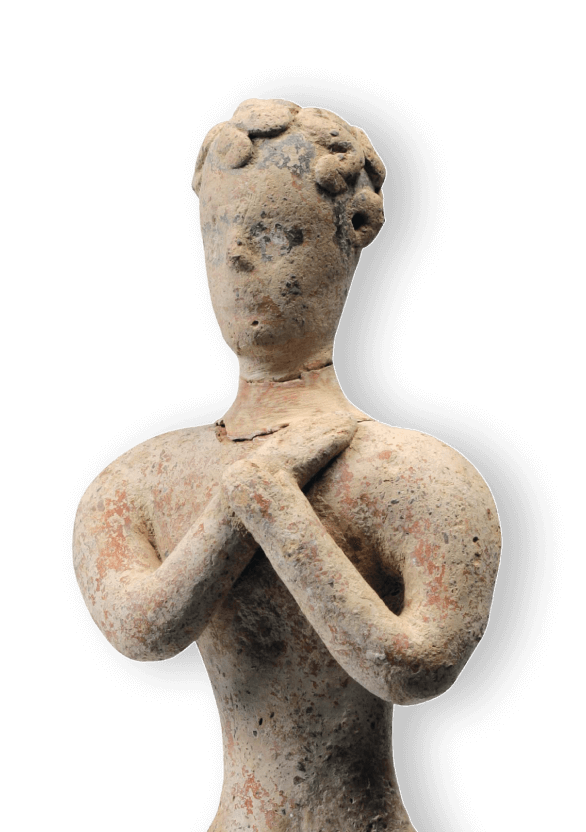
Heraklion Archaeological Museum
One of Europe’s most important museums of the Minoan world, with finds spanning five millennia, including the enigmatic Phaistos Disc.
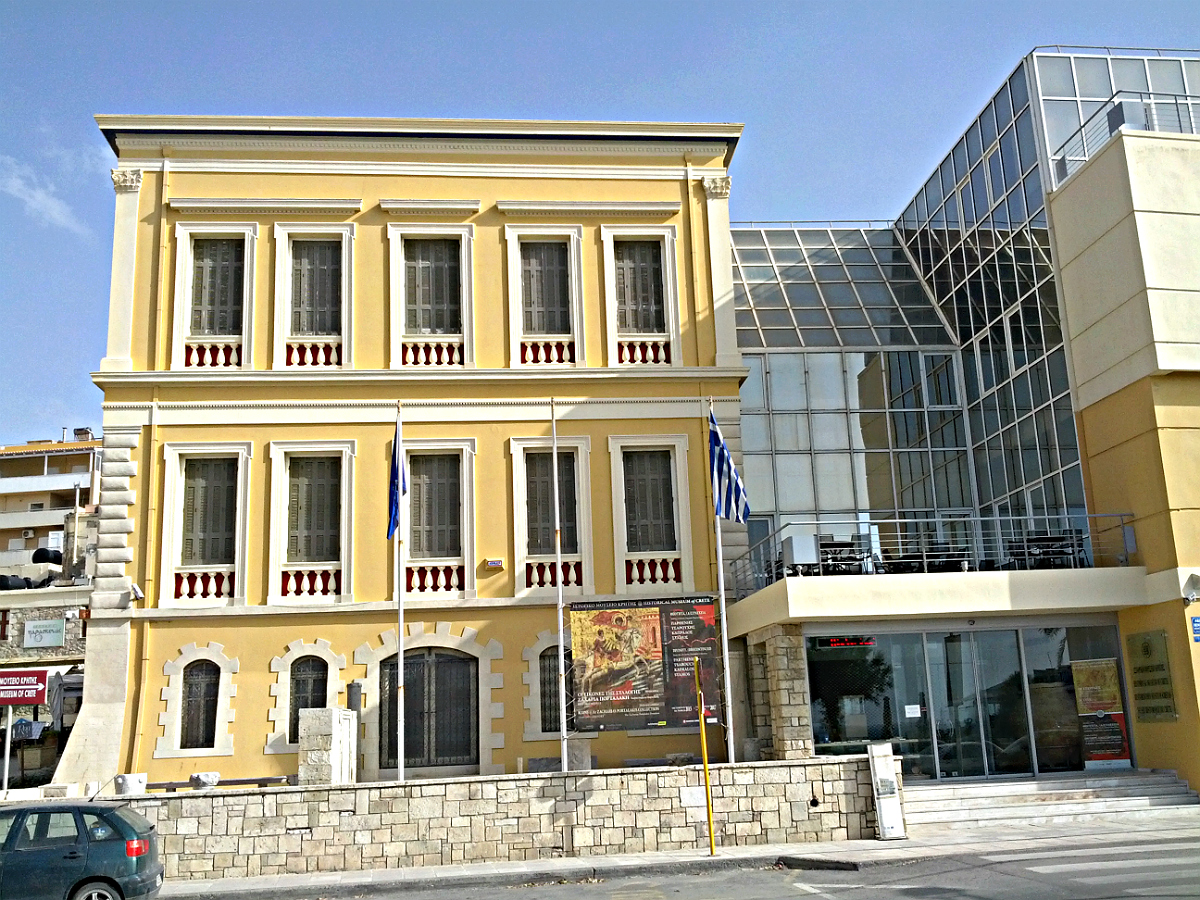
Historical Museum of Crete
Crete from the early Byzantine era to modern times, including the only two El Greco paintings on the island.
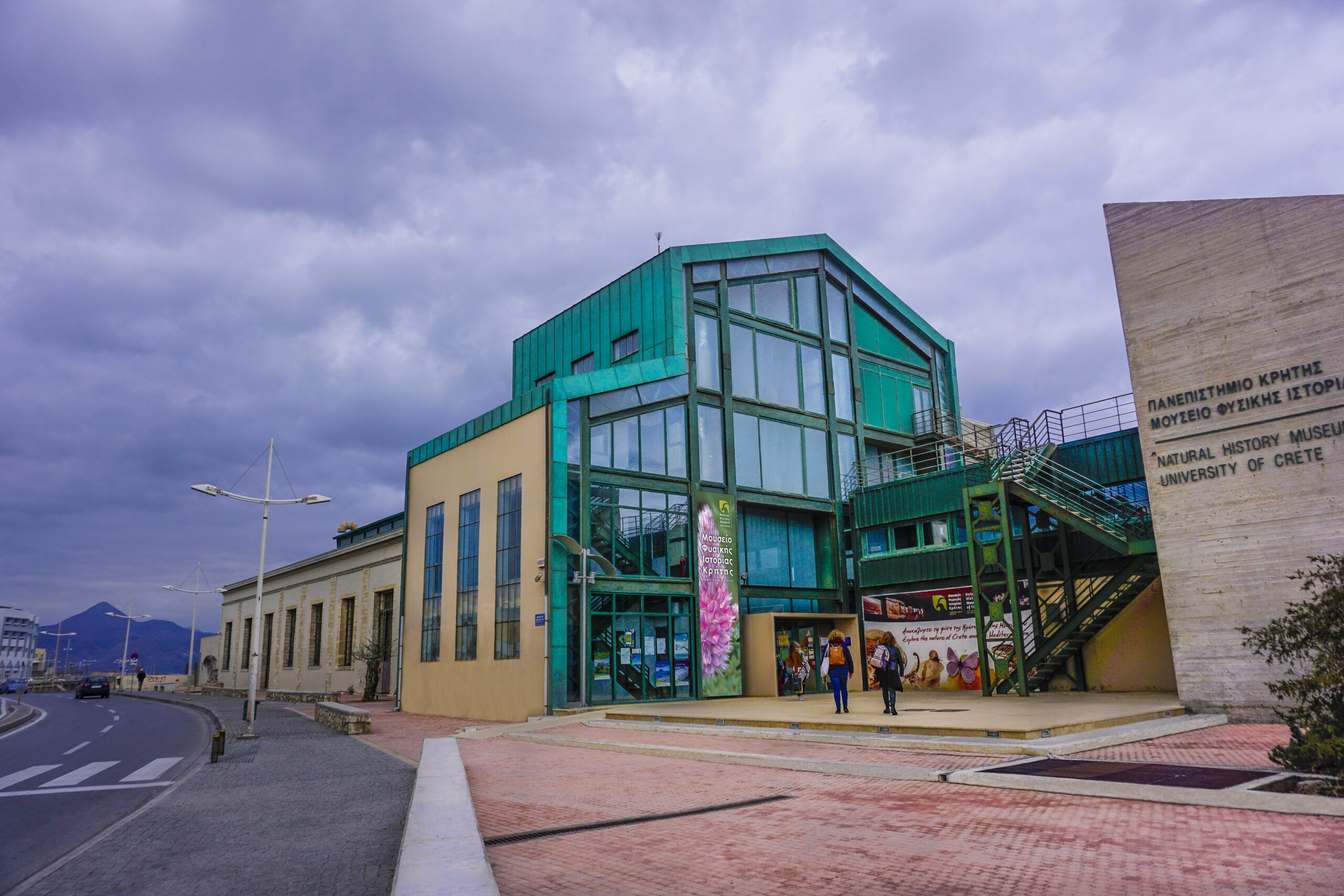
Natural History Museum of Crete
Crete’s ecosystems, flora, fauna and geology, with a popular earthquake-simulation exhibit on the seafront.
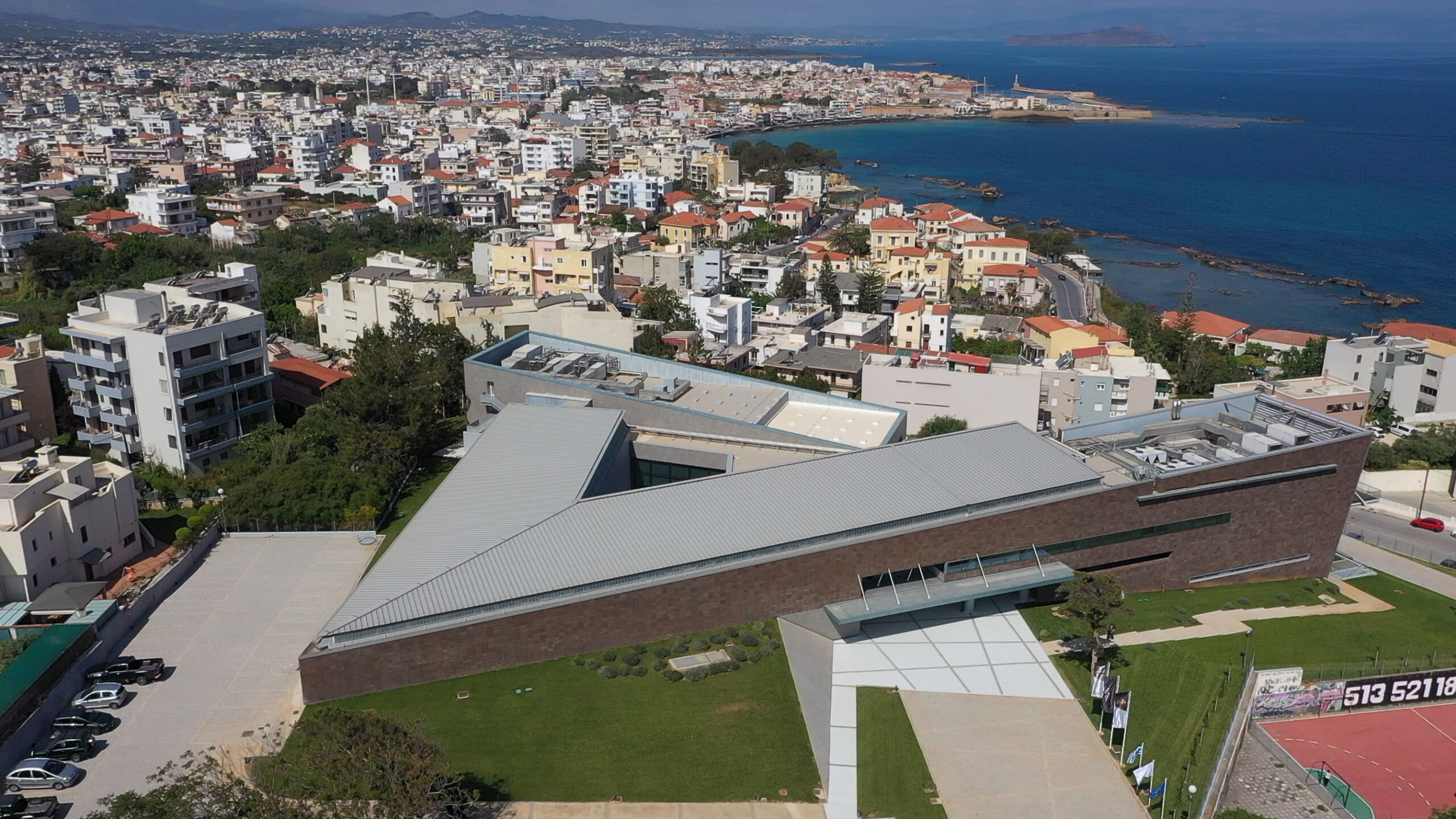
Archaeological Museum of Chania
A striking modern museum with finds from western Crete, from the Neolithic to the Roman period.
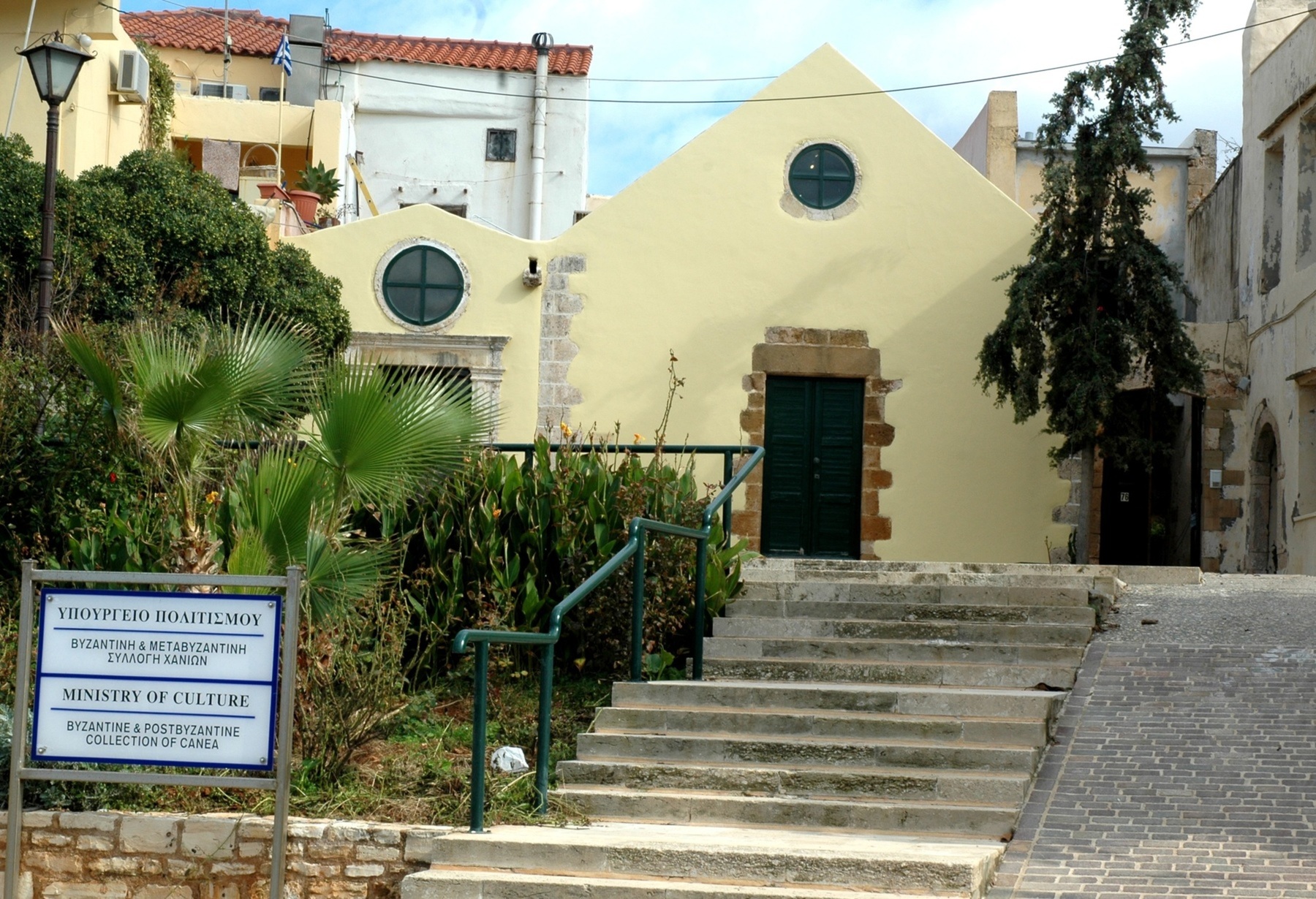
Byzantine Collection of Chania
Icons, frescoes, coins and sculpture tracing Crete’s Byzantine and Venetian centuries.
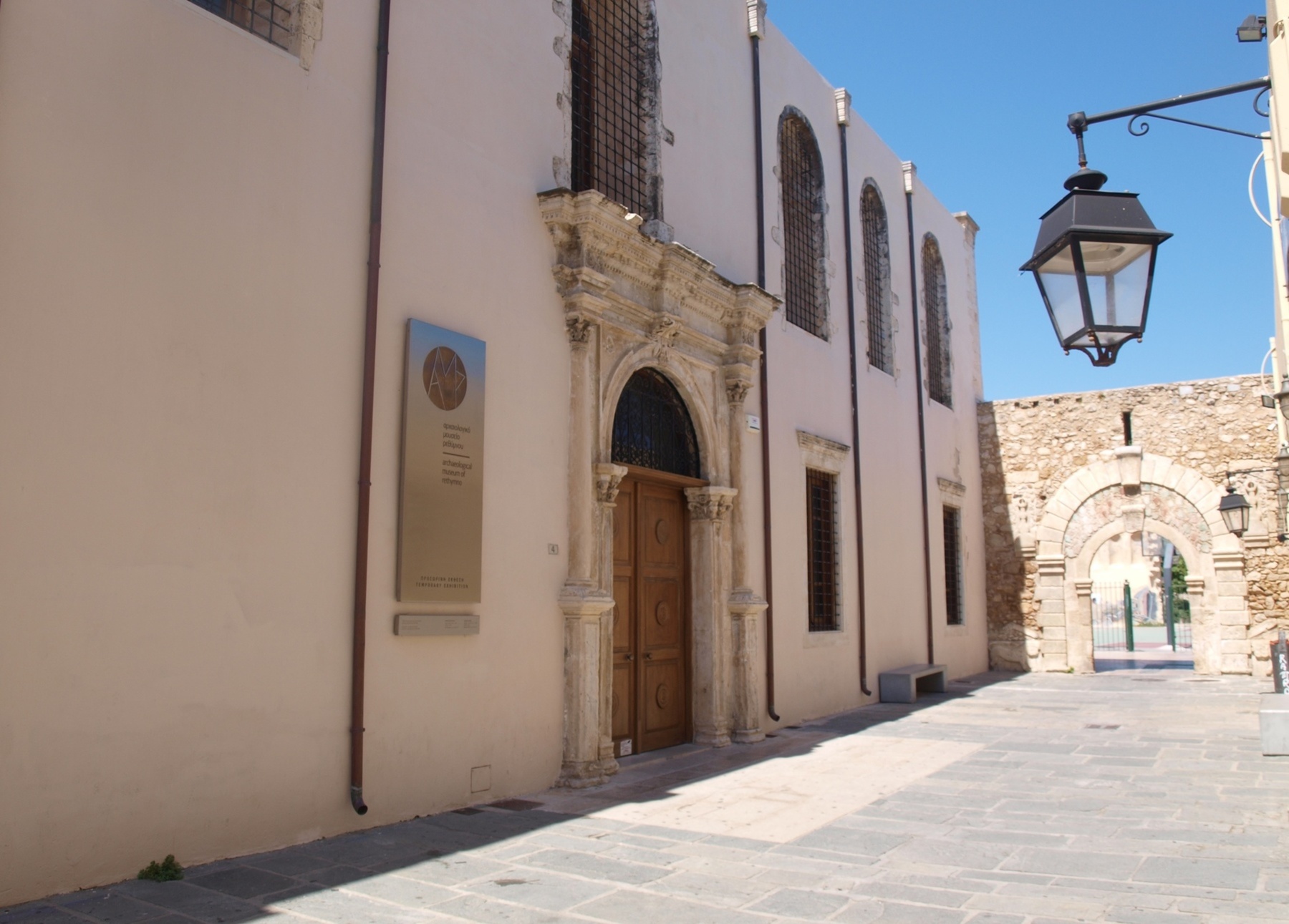
Archaeological Museum of Rethymno
Finds from the Rethymno region across Minoan, Greek and Roman antiquity.
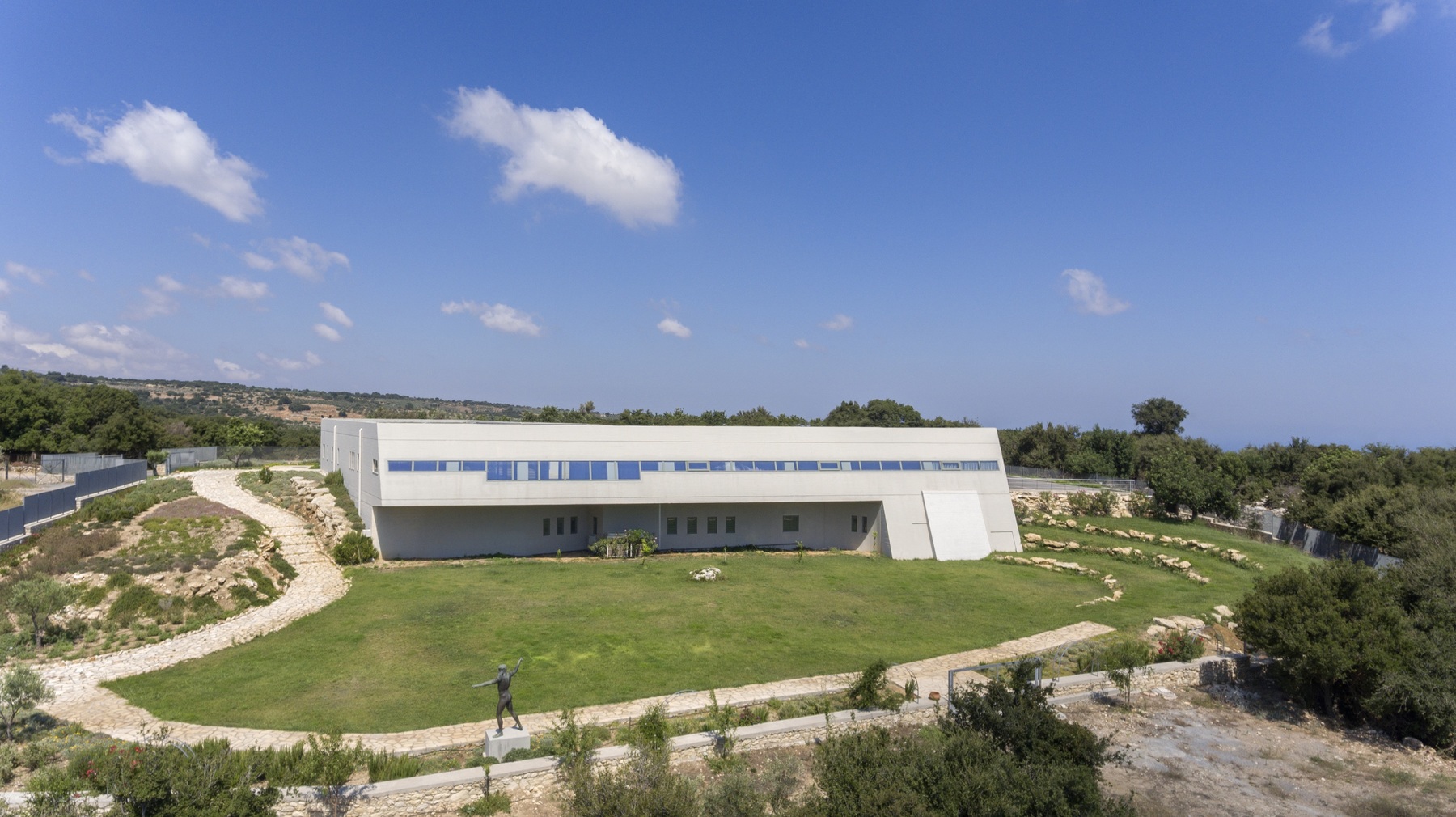
Museum of the Eleftherna Site
Crete’s first on-site archaeological museum, presenting the ancient city of Eleftherna on the slopes of Mount Ida.
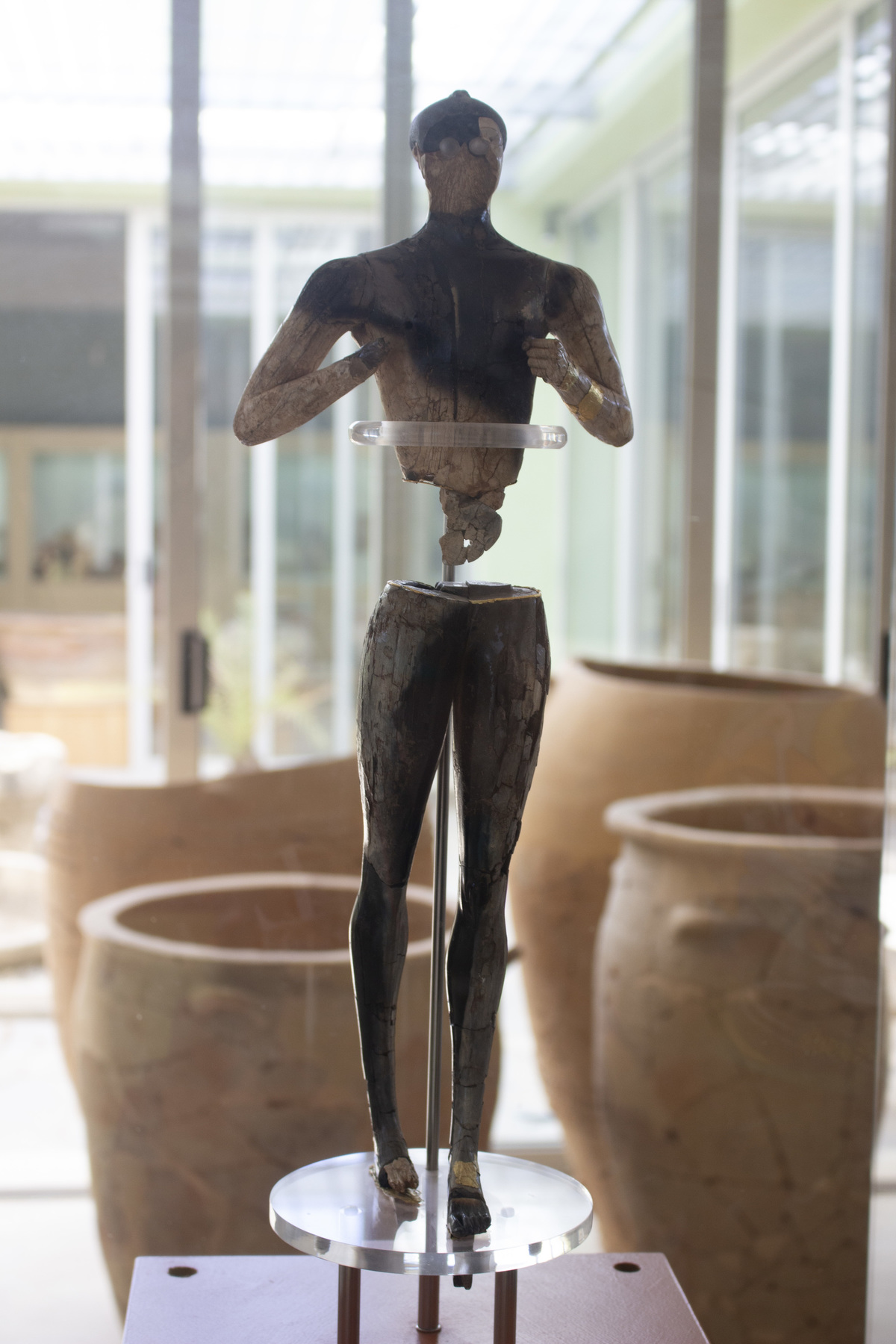
Archaeological Museum of Siteia
Finds from eastern Crete, including material from the Minoan palace of Zakros and the celebrated Palaikastro Kouros.
Going out
Café culture is central to daily life: social activity builds through the late afternoon, with people gathering in cafés around the city centre and pedestrian streets (in Heraklion, around Lions Square) well into the evening.
Dining out is a key part of Cretan life, usually after 21:00. The classic way to eat is meze (mezédes) - a spread of small dishes shared among friends, often with local wine or raki, the traditional Cretan spirit offered as a gesture of hospitality.
In Heraklion, students gather around Lions Square, near St Minas and St Titus churches, and in the picturesque Lakkos quarter. As a rule of thumb, cafés open around 08:00–21:00, restaurants around 12:00–24:00, and bars from 23:00 until the early hours.
Beaches & excursions
Crete pairs beaches and clear seas with traditional villages and ancient sites. Wherever your campus is, day trips are never far.
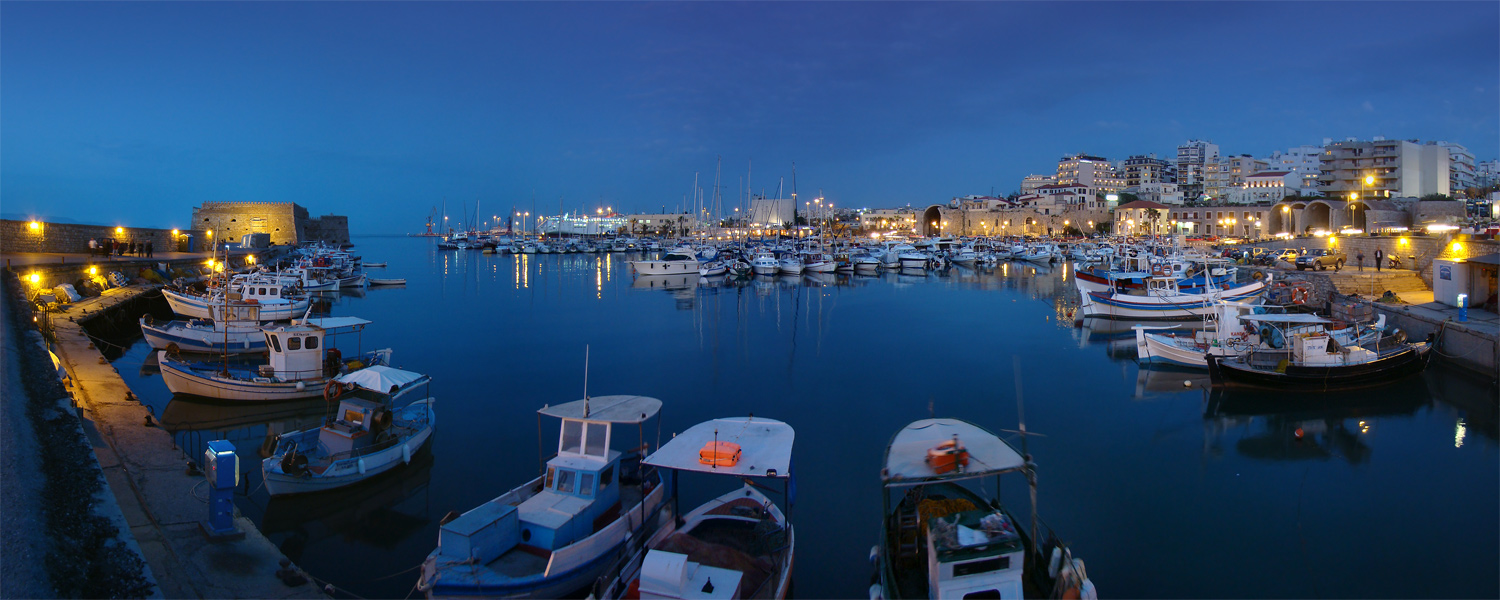
Around Heraklion
The Venetian harbour and Koules fortress on the seafront, sandy beaches like Ammoudara and Amnissos, and the Minoan palace of Knossos - all close to the city.
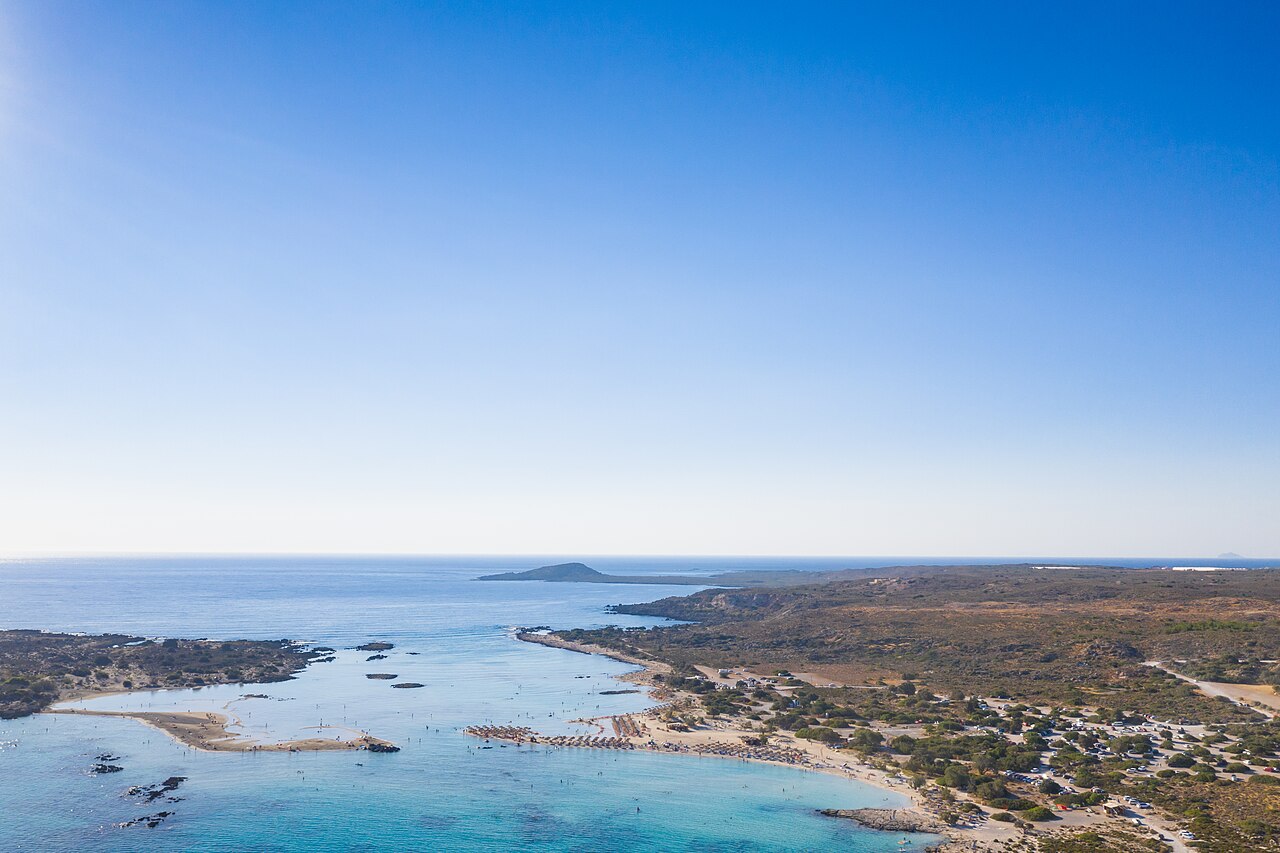
West: Chania & Rethymno
The pink-sand lagoons of Elafonisi and Balos, and the palm-fringed river beach of Preveli.
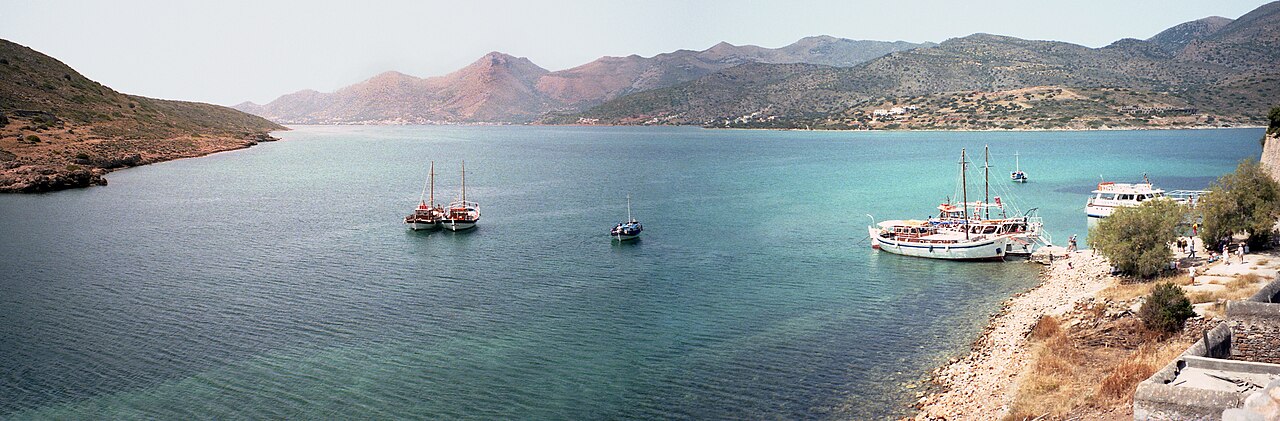
East: Agios Nikolaos
Lake Voulismeni, the island fortress of Spinalonga and the calm beaches of Mirabello Bay.
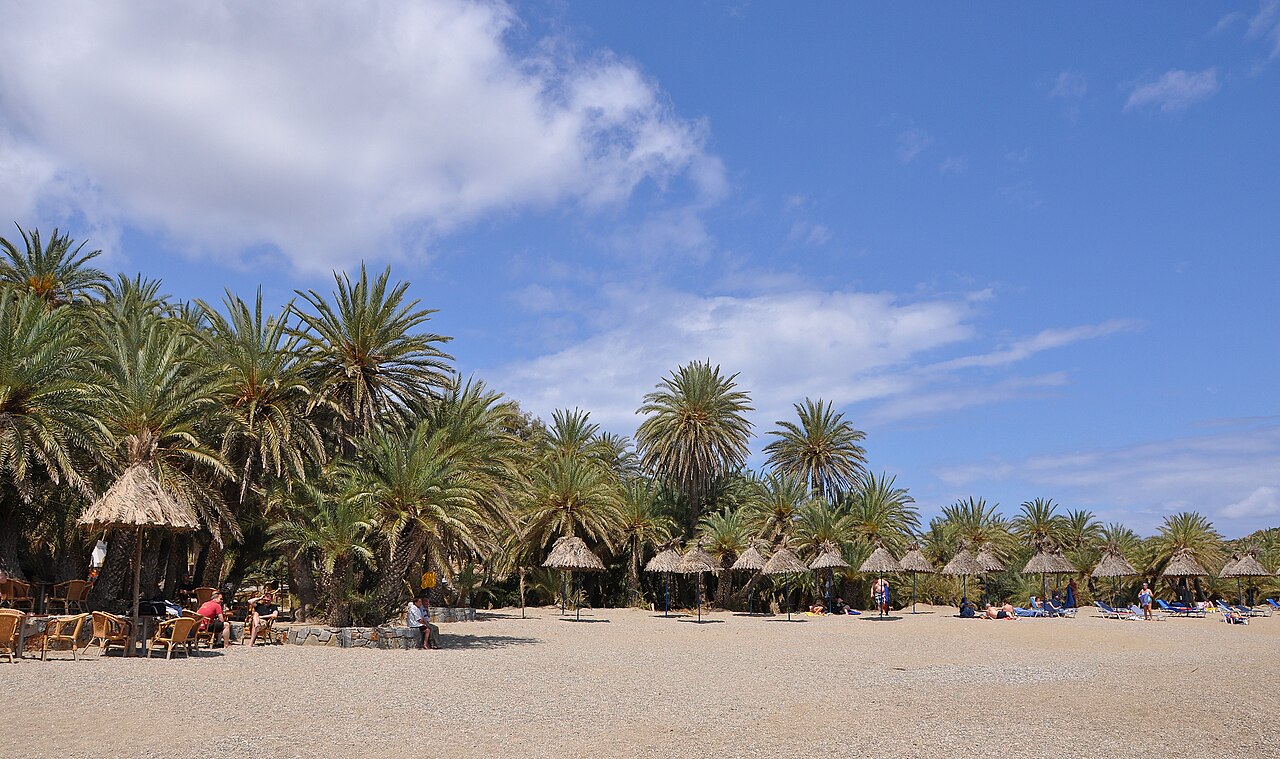
Far east: Sitia
The famous Vai palm-forest beach and the quiet, unspoilt coves of Crete’s eastern tip.
Cost of living & practical info
Groceries €200–€300 / month, coffee €3–6, gyros €5–7, a casual meal €12–17, dinner out €18–25.
The currency is the Euro (€). Cards are widely accepted and ATMs are everywhere; keep some cash for small shops.
Reliable coverage island-wide. Prepaid SIMs from COSMOTE, Vodafone or NOVA are easiest for short stays (ID required).
Europe-wide 112, Police 100, Ambulance 166, Fire 199, Coast Guard 108, Tourist Police 171.
Questions about your stay?
The International Relations Office is happy to help you plan your arrival and settle in.